

Creating an Efficient Work Area: Lighting Optimization
Having a well-lit workspace is crucial for productivity and overall well-being. Proper lighting not only enhances visibility but also affects mood and concentration. Here are some tips on optimizing lighting in your work area:
1. Natural Light:
Position your desk near a window to maximize natural light. Natural light not only reduces eye strain but also boosts mood and energy levels. Consider using sheer curtains to diffuse harsh sunlight.
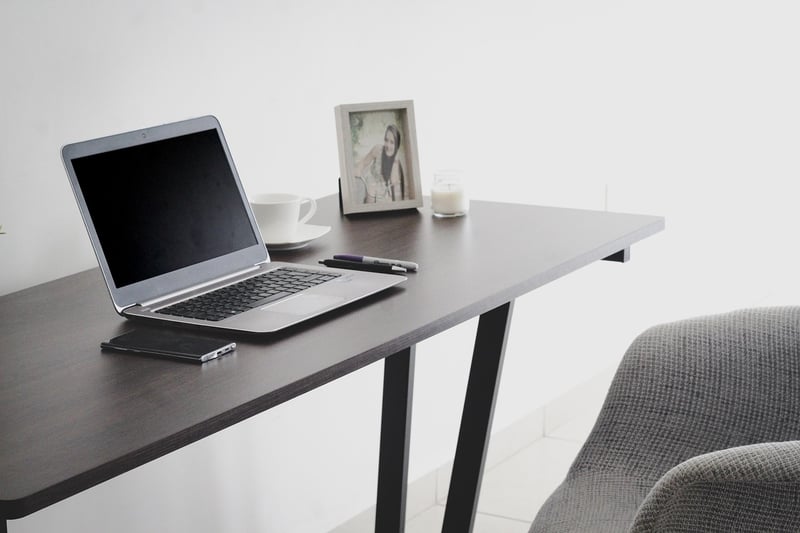
2. Task Lighting:
Supplement natural light with task lighting, such as desk lamps or under-cabinet lights. Task lighting helps reduce glare and provides focused illumination for specific work areas.
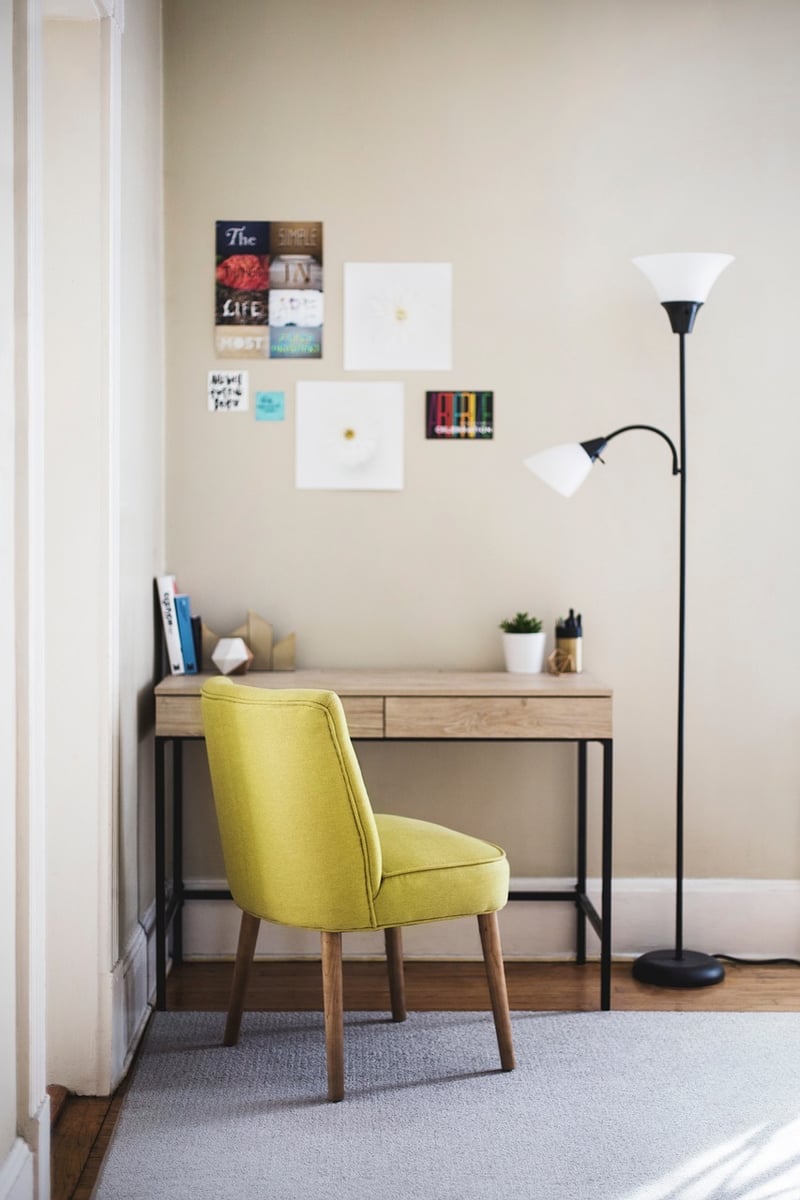
3. Adjustable Lighting:
Opt for adjustable lighting fixtures that allow you to control the brightness and direction of light. This flexibility is essential for accommodating changing lighting needs throughout the day.
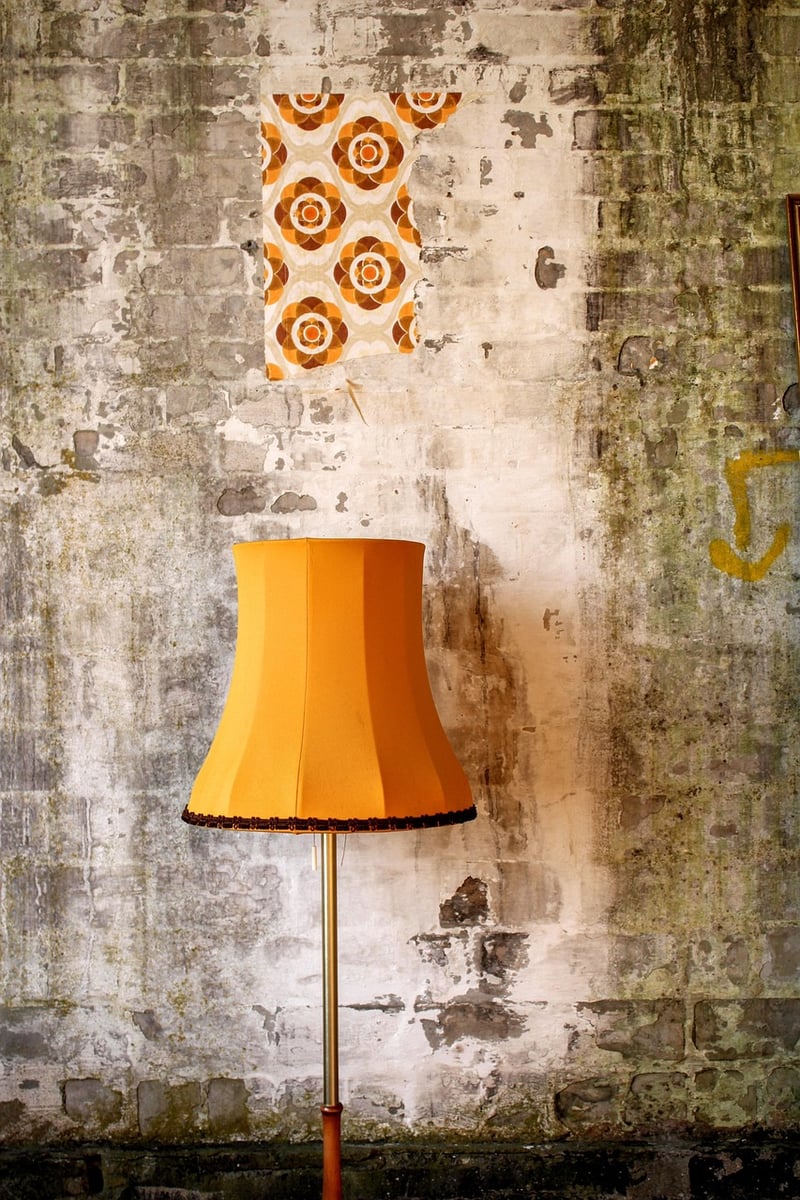
4. Color Temperature:
Choose light bulbs with the right color temperature for your work area. Cool white light (4000-5000 Kelvin) is ideal for task-oriented spaces, while warmer light (2700-3000 Kelvin) is better for relaxation areas.
5. Reduce Glare:
Position lights to avoid glare on reflective surfaces like computer screens. Use matte finishes on desks and walls to minimize reflections. Anti-glare screens can also help reduce eye strain.

6. Smart Lighting Solutions:
Consider smart lighting systems that allow you to adjust brightness and color temperature through smartphone apps or voice commands. These systems offer convenience and personalized lighting settings.

By optimizing the lighting in your work area, you can create a more comfortable, productive, and visually appealing space. Experiment with different lighting options to find what works best for your needs and preferences.